WHY
Any troller knows that troll caught salmon is the ultimate in premium quality seafood, but our fleet lacks the branding and marketing needed to grow premium markets for our fish. We face increasing competition from other salmon producers, both wild and farmed, that have effective marketing programs, putting trollers at an immediate disadvantage in the marketplace. Southeast Alaska’s trollers are often being paid less for dressed coho than fishermen in other regions are being paid for round gillnet sockeye. Due to these poor circumstances the value of power troll (S15B) permit prices fell by 63% over the past 10 years and dwindling participation in the fishery. The future of our fishery is in jeopardy as trollers struggle to run profitable businesses under current market conditions.
The good news is that Southeast Alaska’s trollers can do something about these concerning trends. We have the product, the story, and the opportunity to grow market demand and prices for troll-caught salmon. We can create a viable future for our fishery by investing in a robust regionally-focused marketing program dedicated to promoting Southeast troll-caught salmon.
Copper River’s drift gillnet fishery is a prime example of what’s possible through regional seafood marketing. Copper River fisherman developed a regional brand for their salmon and now command the highest prices in the salmon marketplace. Fisherman built this success by way of a Regional Seafood Development Association, using funds generated through an annual 1% assessment paid by the Copper River’s drift gillnet fleet.
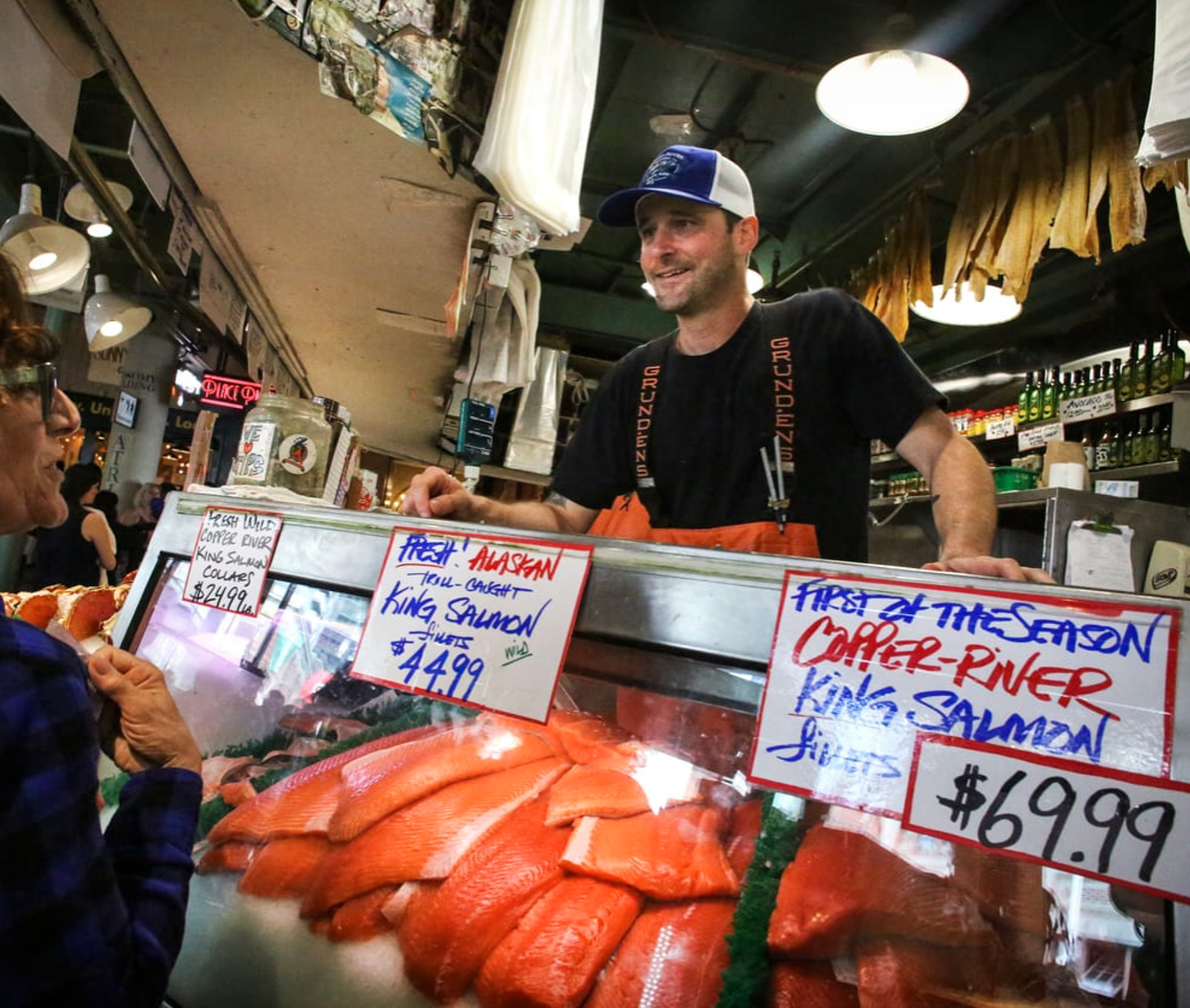
The above photo from 2023 shows Copper River gillnet king salmon fetching a 55% higher price in the marketplace than SE hook and line caught troll kings. Prices were likely even higher for Copper River kings in other markets. Why? Copper River has an effective fisherman-supported marketing program.
The chart above shows the last 50 years ex-vessel pricing/lb for SE troll caught coho from 1975-2024. The blue line is ex-vessel price and the red line shows ex-vessel price adjusted for inflation.
Due to inflation, the purchasing power of the dollar has decreased over time. For example; in 1975, $1 would buy the same amount of goods and services as would cost $6 today. When looking at the chart, we see that fishermen were paid around $1-2/lb (blue line) in the mid 70's and 80's for troll coho, however, when we factor for inflation (red line) we see that they were being paid far more in true purchasing power for their coho during that time period than we are today.
Following these trendlines out, we can see that our dockprices aren't keeping pace with inflation (if they had, we'd be receiving roughly $6/lb for iced coho at the dock). We are effectively getting paid less for our fish year over year, creating tighter operating margins and making a successful trolling business more difficult to keep afloat.
See the FAQsection to learn more about how we can set up an RSDA for Southeast Alaska’s troll fishery.